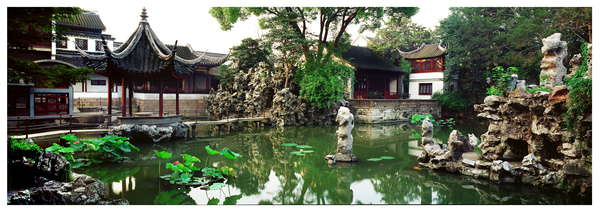
Lion Grove Garden
Introduction
Lion Grove Garden, also called Lion Forest Garden, is a stunning representation of classical Chinese garden design located in the heart of Suzhou, Jiangsu province. Spanning over 680 years, it remains a quintessential symbol of harmony between human-made structures and the natural world. The garden's unique features include intricate rockeries resembling lions, tranquil ponds, and elegant pavilions that immerse visitors in an atmosphere of serenity and contemplation. Recognized by UNESCO as a World Heritage Site, Lion Grove Garden, along with eight other classical gardens in Suzhou, serves as a testament to the profound philosophical and aesthetic values inherent in Chinese culture. The garden's design seeks to recreate natural landscapes in miniature, embodying a philosophy of balance and integration that has inspired both ancient and modern architects alike.
History
The origins of Lion Grove Garden date back to the Yuan Dynasty (1271-1368), when a group of monks constructed the tranquil retreat to serve as a place for quiet reflection away from the urban clamor. Over the centuries, the garden attracted numerous literary and artistic figures who left behind a rich tapestry of poems, paintings, and tales that contribute to its storied past. Although the original temple associated with the garden has vanished, Lion Grove Garden has endured as a cherished cultural and historical landmark. Emperor Qianlong of the Qing Dynasty (1711-1799) was particularly fond of the garden, visiting it six times during his southern tours, which underscores its significance as a cultural treasure. The garden's enduring appeal lies in its ability to transport visitors to a bygone era, offering a glimpse into the intellectual and artistic pursuits of the ancient Chinese literati.
Architecture
Design and Layout
Lion Grove Garden exemplifies the classical Chinese garden design philosophy, which emphasizes the harmonious integration of natural and man-made elements. The garden is meticulously arranged to create a sense of balance and continuity. Its intricate rockeries, winding paths, and serene water features work together to evoke a sense of natural beauty in a confined space. The design draws on Taoist principles, seeking to achieve a harmonious balance between humanity and the universal laws of nature. This is achieved through the careful selection of plants and the strategic placement of rocks and water features, which together create a dynamic yet tranquil landscape that invites reflection and introspection.
Notable Structures
Several structures within Lion Grove Garden stand out for their architectural and cultural significance. The rockeries, which are the garden's most iconic feature, are crafted to resemble lions in various poses, symbolizing strength and vigilance. These formations are artfully complemented by pavilions that offer shaded spots for relaxation and enjoyment of the surrounding scenery. Each pavilion serves a specific purpose, whether it is to provide a vantage point for viewing the garden or a quiet space for contemplation and artistic creation. The garden's water elements, such as ponds and streams, enhance the peaceful ambiance, reflecting the sky and surrounding foliage to create ever-changing vistas.
Cultural Significance
Lion Grove Garden holds a special place in Chinese cultural heritage as a prime example of the country's unparalleled garden design tradition. It offers insight into the philosophical and aesthetic values of ancient Chinese society, particularly the literati class, who sought to cultivate a harmonious relationship with nature. The garden's design reflects the influence of Chinese literature, painting, and philosophy, with each element carefully chosen to communicate deeper meanings and inspire contemplation. The inclusion of renowned poets and artists in the garden's history further cements its status as a cultural icon. By preserving and showcasing these values, Lion Grove Garden continues to offer contemporary visitors a tangible connection to China's rich cultural legacy.
Preservation Efforts
The preservation of Lion Grove Garden involves a multifaceted approach that combines historical accuracy with modern conservation techniques. Efforts to restore and maintain the garden have been ongoing since the mid-20th century, with significant work completed under the guidance of the Suzhou Administrative Bureau of Garden and Landscaping. The garden's inclusion on the UNESCO World Heritage List in 1997 provided a framework for its protection, ensuring that international standards are adhered to in its upkeep. Recent initiatives include the use of scientific analysis and data-driven strategies to manage visitor impact and environmental changes. Additionally, educational programs and international collaborations aim to raise awareness of the garden's cultural significance and ensure its legacy for future generations. Through these comprehensive efforts, Lion Grove Garden remains a vibrant and enduring symbol of China's historical and cultural richness.








